 Modista
The Maria Theresa coin 1780 value starts with silver, but it does not end there. This coin is unusual because the same 1780 date appears on a huge number of later restrikes. That means one piece may trade close to bullion, while another belongs to a stronger collector tier.
A coin value checker free can help with the first pass. It can confirm the type, metal, and basic format. It cannot tell the whole story on its own. The real difference comes from condition, restrike status, and how the market sees the coin.
What Coin Are We Actually Talking About
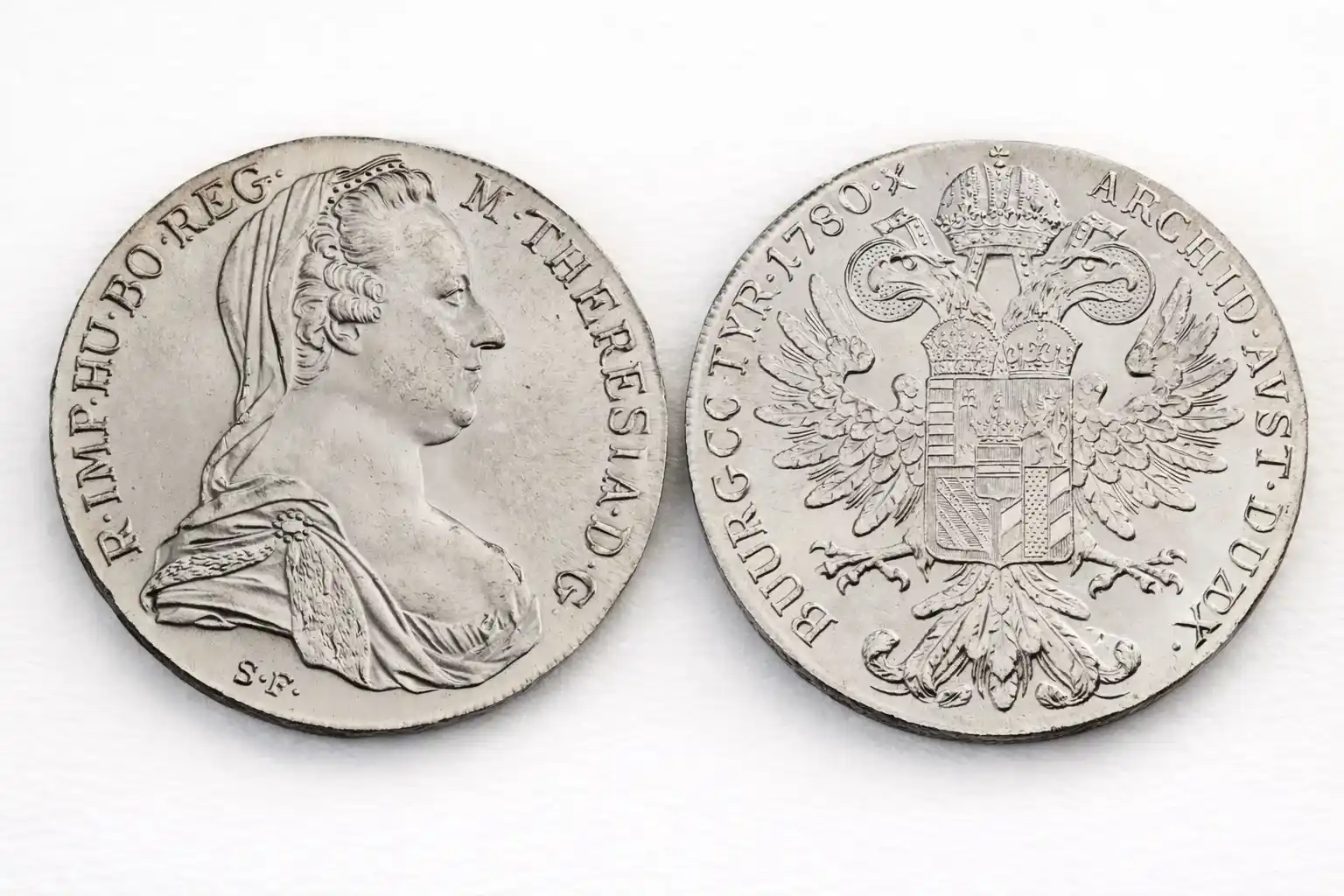
The coin is the Maria Theresa thaler, a large silver trade piece linked to Austria and to the long commercial history of the Middle East and Africa. The standard posthumous type carries the date 1780, even though many coins with that date were struck much later. The Austrian Mint still sells it today as a historical restrike and investment product.
This is why beginners often misread the date. They see “1780” and assume every coin is an original eighteenth-century issue. The market does not work that way. Most pieces seen in shops, dealer stock, and mixed world silver groups are restrikes, not true 1780 circulation pieces.
Basic Specifications That Shape the Value
The coin has a stable physical profile. That is one reason it worked so well as a trade coin and still works well as a bullion-minded buy today.
Parameter
Standard specification
Type
Maria Theresa thaler
Date shown
1780
Metal
Silver
Fineness
.833
Total weight
28.0668 g
Fine silver weight
23.39 g
Actual silver weight
About 0.752 oz
Diameter
41–42 mm
The numbers explain the first value layer. A coin with about 0.752 troy ounce of fine silver will always have a metal floor. NGC listed the melt value around $53.45 on March 30, 2026, and the Austrian Mint’s current uncirculated restrike listing sits above that because it is a finished retail product, not just raw silver.
Silver Content Sets the Floor, Not the Full Price
Silver is the starting point because the coin contains enough metal to stay relevant even when collector demand is soft. A common restrike in ordinary condition is rarely bought as a rare historical prize. It is more often bought as a silver trade coin, a world crown-sized type, or a classic bullion-adjacent piece.
That does not mean silver explains everything. The market pays more when the coin is cleaner, sharper, better struck, or part of a scarcer variant group. NGC’s world price guide notes that many varieties exist and that some command high premiums. That is the split between melt value and collector value.
A simple way to read this coin is to separate the two buyers:
Bullion-focused buyer
Type-coin collector
Variant specialist
High-grade buyer
Each group pays for something different. The first buyer starts with a silver weight. The last three look harder at surfaces, details, and attribution.
Condition Still Changes the Price
Condition matters even on a common restrike. A worn piece with dull surfaces and heavy contact marks usually stays close to its silver-driven level. A fresher coin with better detail and cleaner fields moves up because buyers do not need to settle for an ugly example when common stock exists.
The same logic appears in recent sales. Numista’s recent auction listings for standard posthumous examples show many uncirculated pieces selling in a tighter band around the low-to-mid double digits in U.S. dollars, which is close enough to silver to keep them accessible, but still above pure melt when the coin looks better.
Collectors usually pay more for these traits:
Better detail
Cleaner surfaces
Fewer marks
Stronger eye appeal
Stronger strike
This is why two similar-looking coins can still sell apart. One is just silver with a famous design. The other is a better collectible.
Original 1780 Pieces and Later Restrikes
This is the hardest point for beginners, but it is the most important one. Most 1780-dated Maria Theresa thalers on the market are later restrikes. Austrian Mint describes the current piece as a historical restrike, and Numista labels the common posthumous type as a coin dated 1780 but struck from 1781 to the present.
That does not make restrikes fake or unimportant. Restrikes are part of the coin’s identity. The Maria Theresa thaler stayed alive because demand stayed alive. It remained useful in trade and later remained popular as a silver coin with a known standard.
True early strikes are a different world. The specialist’s reference to Theresia’s name shows how rare true 1780 Vienna pieces are and warns that many coins sold as “original strike” are actually much later pieces. This is where the market becomes more technical and much less forgiving.
What the Market Actually Pays For
The market pays first for the category of coin. A common restrike trades in one range. A fresh, uncirculated restrike trades in another. A scarcer variety or a true early strike belongs to a separate level. That is why a simple one-line value answer never works well for this coin.
Then the market looks at the coin itself. It asks simple questions. Is the piece attractive? Is it common stock or something better? Is it just silver? Is it a collectible example that deserves more than silver? Those questions decide the premium.
The biggest value drivers are easy to list:
Silver content
Condition
Restrike or earlier strike status
Variety attribution
Market demand
This list explains the whole coin better than the date alone ever can.
Market Ranges at a Glance
This coin works best when viewed in segments, not through one flat price number.
Market segment
Typical price logic
Common restrike in worn condition
Near silver-driven level
Common restrike in better condition
Above melt, still accessible
Uncirculated retail restrike
Moderate premium over silver
Certified choice restrike
Clear numismatic premium
Early strike or scarcer variant
Separate specialist market
Install a reliable coin checker to confirm the type, show baseline value ranges, and keep examples organized through collection management. That is useful when you are comparing several similar pieces. It still does not replace attribution when the question is restrike, early strike, or scarcer variant.
Collector Red Flags
The first red flag is date-only thinking. A 1780 date does not automatically mean the coin was struck in 1780. This mistake pushes buyers into overpaying for ordinary restrikes.
The second red flag is paying numismatic money for bullion-level material. A weak piece with heavy wear, rough surfaces, or poor eye appeal may still be worth buying for silver or for a basic type set. It is not the same thing as a premium collector coin.
The third red flag is weak attribution. NGC notes that many varieties exist. That can tempt buyers to assign a premium too quickly. On this coin, better attribution raises value. Bad attribution only raises risk.
A compact warning list helps:
Date-only pricing
Overpaying for common restrikes
Ignoring surface quality
Confusing restrikes with fakes
Trusting weak attribution
Each of these mistakes can move a buyer into the wrong market tier.
Buying Logic for Different Collectors
A silver-focused buyer can accept more wear. The metal content does most of the work. A general world coin collector usually wants a sharper restrike with better surfaces because the coin is bought for type and appearance, not just for melt.
An advanced collector plays a different game. That buyer wants earlier strikes, scarcer signatures, die features, or stronger documentation. At that point, the coin is no longer just a silver thaler with a frozen date. It becomes a specialist object.
Conclusion
The Maria Theresa thaler is not just a bullion coin, and not just a historical relic. Its value comes from overlap. Silver content sets the floor. Condition changes the position. Market demand decides the premium. Restrike status tells you which market you are actually entering.
That is why the coin stays interesting. A common restrike can still be a solid buy. A cleaner piece can bring more. A scarcer or earlier strike can move into a very different category. The right question is not “Is 1780 rare?” The right question is “What kind of 1780 piece is this?”